Aluminum
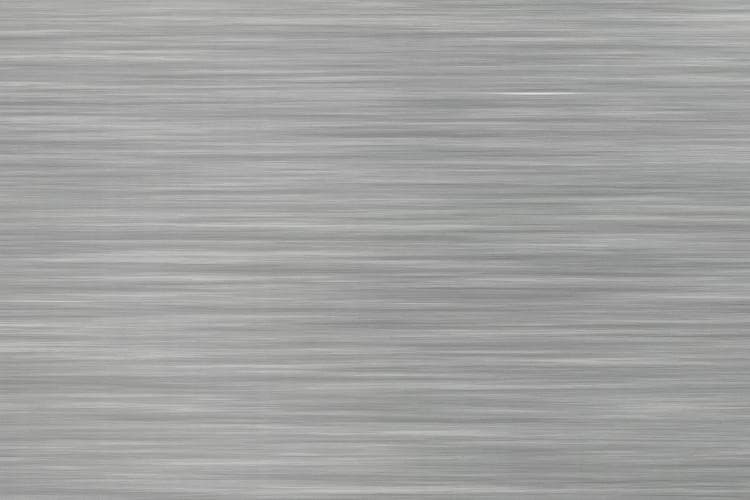
A lightweight, rust-resistant option that is common on residential installs and available in many colors.
- Durable and low maintenance
- Strong corrosion resistance
- Practical for most Tri-Cities homes

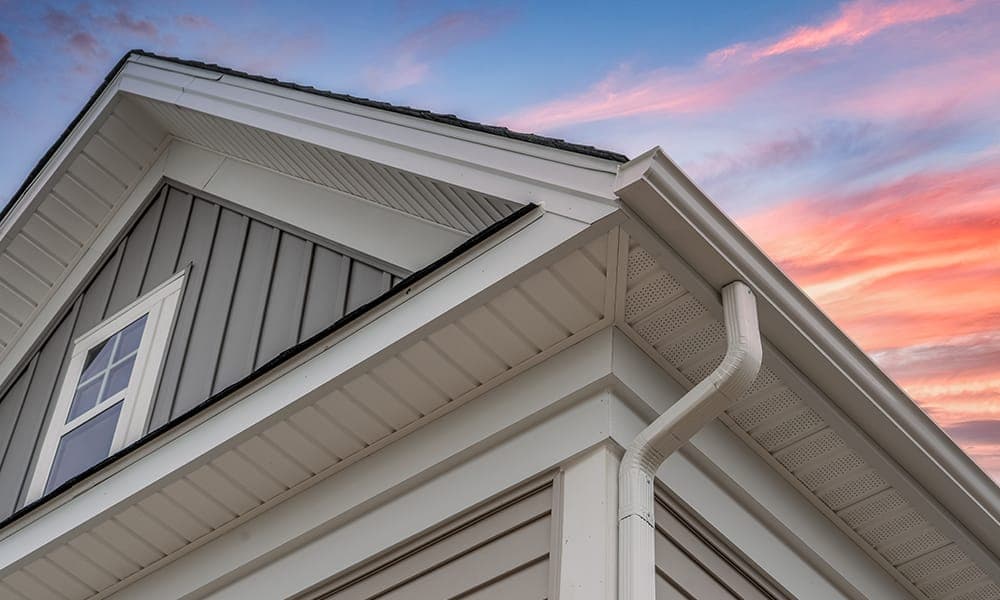
Systems sized to move water away from the foundation and protect Tri-Cities homes in Richland, Kennewick, Pasco, and nearby Eastern Washington.
Roof-edge systems
Detailed with the fascia
Styles that fit
K-style to custom fascia
New or replace
With roof or stand-alone
Gutters and downspouts are the last line that keeps roof runoff from soaking fascia, staining siding, and collecting at the foundation. Eminent installs and replaces systems as part of the exterior package, so pitch, outlets, and fascia condition are planned together.
Gutter styles
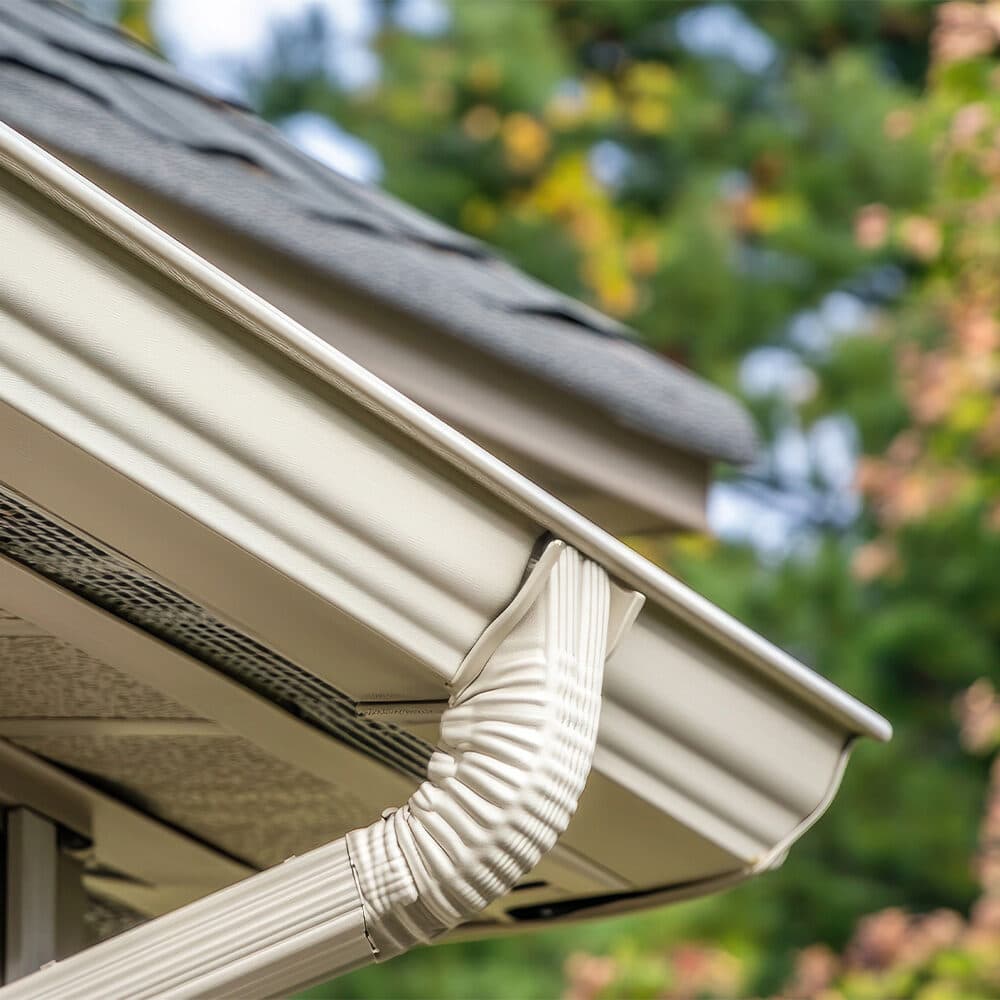
Style affects capacity, look, and how the edge reads from the street. Tap a profile to learn more, then we match it to your architecture and drainage needs.
Material types
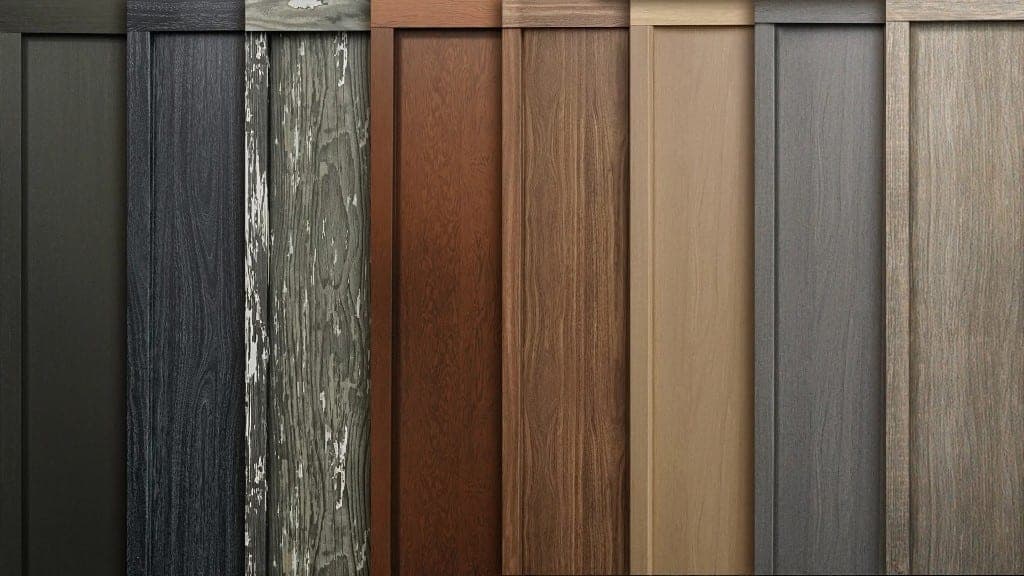
Material drives durability, maintenance, and finish. Confirm color samples in natural light when curb appeal is part of the decision.
A lightweight, rust-resistant option that is common on residential installs and available in many colors.
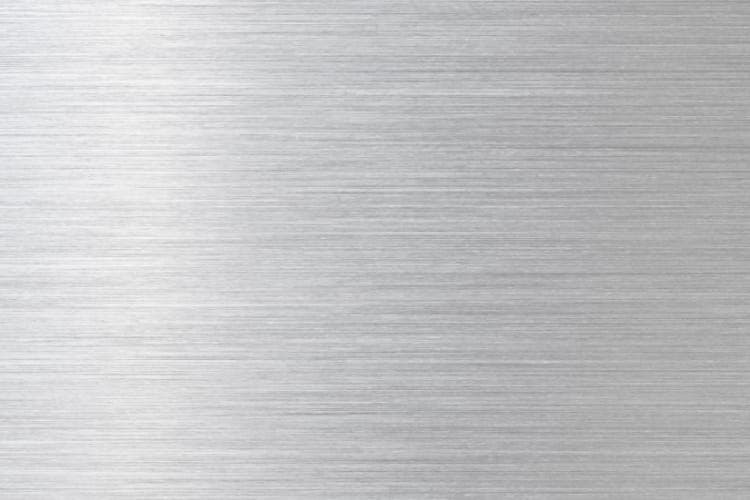
A strong, impact-resistant material that holds up well when weather and durability lead the brief.

A premium material that develops a natural patina over time and adds lasting character to the roof edge.

A high-end metal known for longevity and a protective patina that forms as the surface weathers.
Start with the roof edge and where water needs to go. Style and material come after capacity and fascia condition are clear.
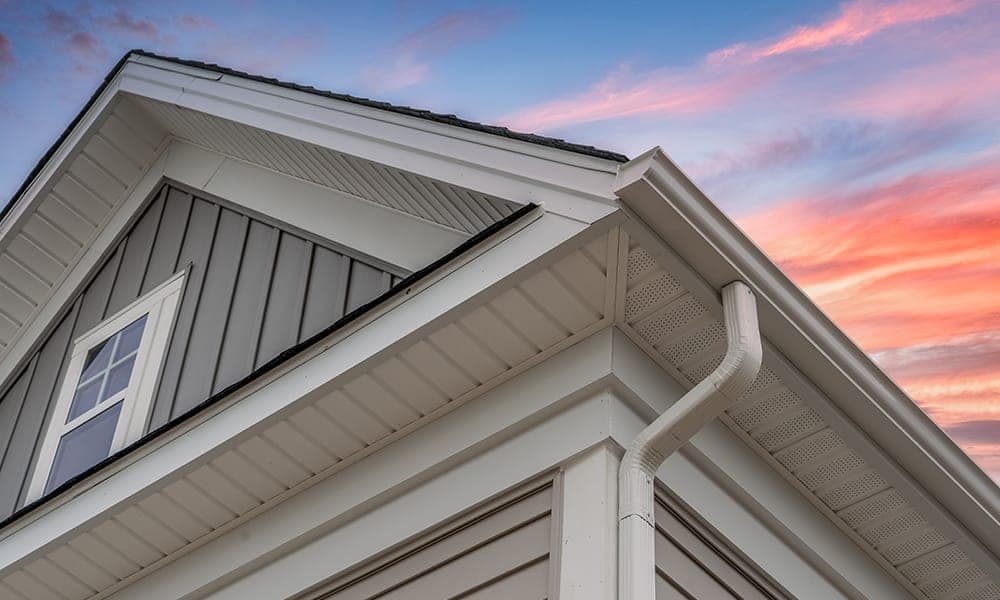
Profile depth, hanger type, and color should fit the fascia height and roof edge. A new roof or fascia project is often the cleanest time to replace gutters.
Larger or steeper roof planes need more capacity. Undersized gutters overflow in Eastern Washington storms and send water back toward the foundation.
Aluminum covers most homes. Steel adds strength. Copper and zinc are premium long-life choices with a distinctive finish.
Outlet count and placement matter as much as the trough. Water has to leave the house cleanly without flooding walks, beds, or neighboring lots.
From edge inspection to discharge, every project follows a clear sequence so water has a finished path off the roof and away from the house.
Step 01
We review fascia condition, existing gutters, roof edge, and where water currently drains. Soft fascia often needs attention before new gutters go up.
Step 02
K-style, half-round, box, or fascia profiles are matched to the home, then material and color are confirmed for durability and curb appeal.
Step 03
Downspout locations, slope, and hanger spacing are planned so water moves to the outlets without standing in the trough.
Step 04
Gutters, hangers, end caps, elbows, and downspouts are installed as a continuous system. Seams and outlets are detailed to limit leaks at joints.
Step 05
We confirm water leaves the foundation area, review maintenance basics, and note any fascia or roof-edge follow-up that will protect the new system.
Local crews who already detail roofs, fascia, and exteriors. Gutters are finished as part of that system, not bolted on alone.
Gutters fail when fascia, drip edge, and downspouts are treated as afterthoughts. We detail them with the roof and exterior system.
Roofing, fascia, siding, and gutters can stay under one Tri-Cities crew so schedules and waterproofing stay coordinated.
Eastern Washington storms and dry-season dust both matter. Capacity, pitch, and discharge are planned for how water actually moves on your lot.
Color, profile, and fascia alignment are chosen so the edge looks intentional from the curb, not like a bolted-on afterthought.
When the roof, fascia, and gutters are planned together, the weather surface and the drainage path stay aligned. Ask about bundling gutters with a re-roof or exterior package.
Straight answers about styles, materials, foundation protection, and how to start a Tri-Cities gutter project.
Yes. Many homeowners replace or upgrade gutters when the roof or fascia is renewed so the edge system finishes together. We can also install gutters on an existing sound fascia when that is the better scope.
Common options include K-style, half-round, box, and fascia-mounted profiles. The right choice depends on roof area, architecture, fascia condition, and how much water the edge needs to carry.
Aluminum is the most common residential choice for weight, color options, and corrosion resistance. Steel adds strength. Copper and zinc are premium long-life metals with a distinctive finish. Your estimate will match material to budget and look.
They collect roof runoff and send it through downspouts away from the house. Without a working system, water can pool at the foundation, saturate landscaping, and contribute to basement or crawlspace moisture problems.
Often yes, when the rest of the system is sound. If fascia is soft, seams leak in multiple places, or capacity is wrong for the roof, a fuller replacement may be the better long-term fix.
Request a free estimate online, call (509) 537-4537, or visit our Richland showroom at 1339 Tapteal Dr #110, Monday through Friday, 9:00 AM to 5:00 PM.
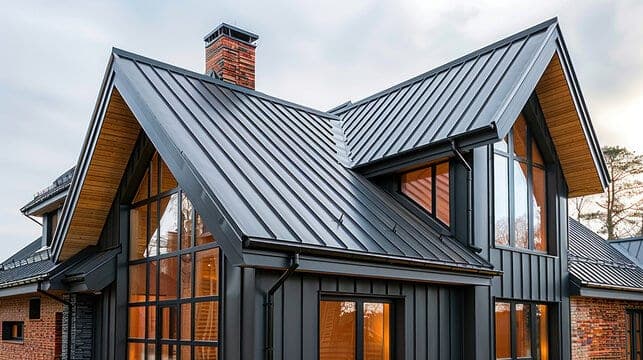
Protecting what matters most with expert craftsmanship and durable roofing and exterior solutions.
Ready for a free estimate? Call our Richland showroom or send a message. We serve the Tri-Cities and Eastern Washington.